
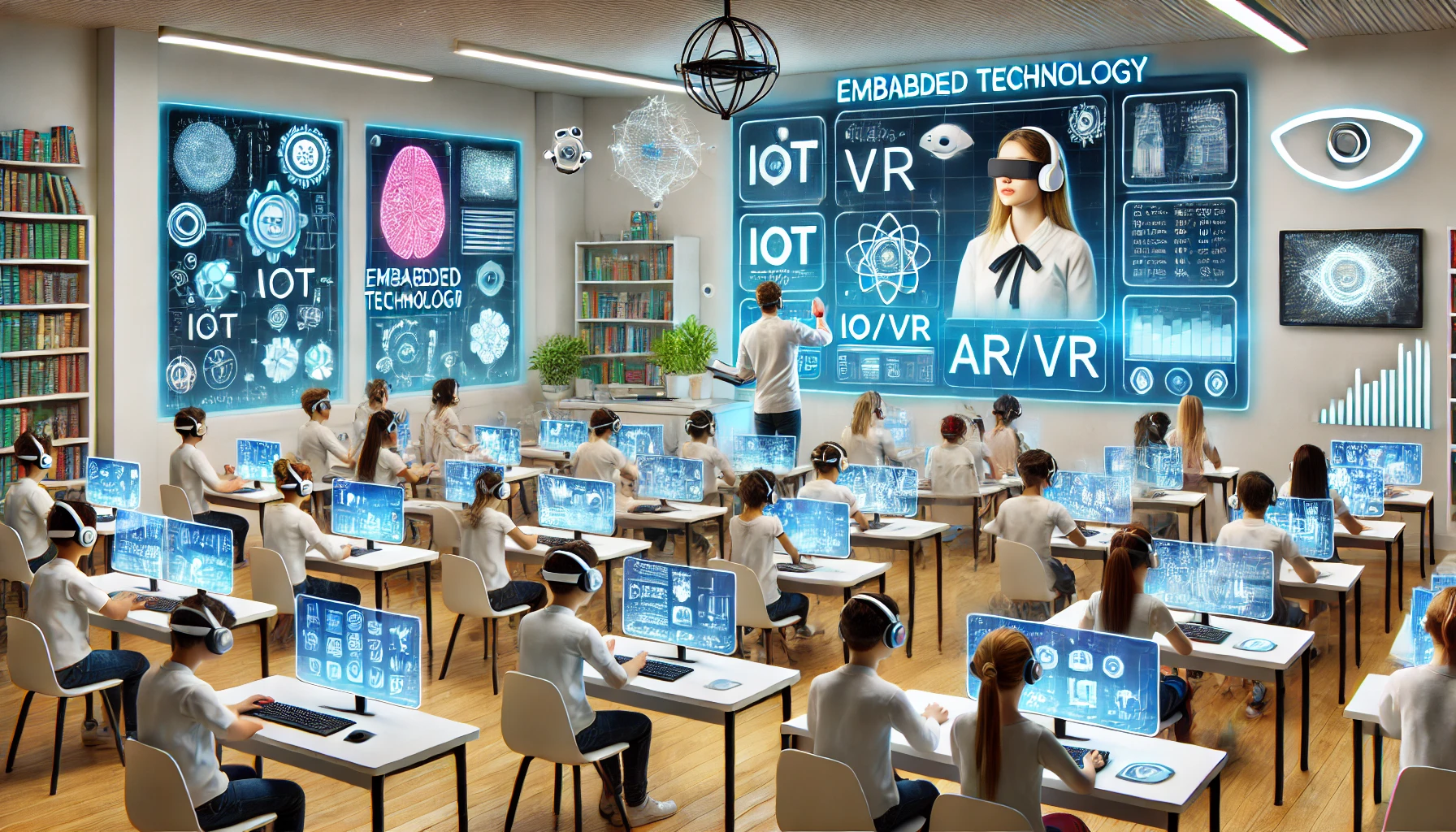

The Future of Learning: Embedded Technology in Classrooms
In today’s fast-paced digital world, education is evolving at an unprecedented rate. Traditional learning environments are being transformed by embedded technology, making classrooms more interactive, immersive, and engaging. From smart boards to AI-powered learning assistants, technological advancements are redefining how students absorb and apply knowledge.
The Role of Embedded Technology in Modern Education
Embedded technology integrates intelligent systems into educational tools, enhancing the learning experience through real-time interaction, automation, and personalized feedback. This approach fosters a more dynamic environment where students can engage with content more effectively and develop essential 21st-century skills.
Key Innovations Transforming Classrooms
- Smart Boards and Interactive Displays
Traditional chalkboards and whiteboards are being replaced by smart boards that enable touch-based interactions, multimedia presentations, and real-time collaboration. These tools provide a hands-on learning experience, making complex concepts easier to grasp through visuals and animations. - AI-Powered Personalized Learning
Artificial intelligence is playing a crucial role in customizing education for each student. AI-driven platforms analyze learning patterns and provide personalized recommendations, adaptive quizzes, and automated tutoring to strengthen weak areas. - IoT-Enabled Smart Classrooms
The Internet of Things (IoT) is revolutionizing classroom management by integrating connected devices such as attendance trackers, environmental sensors, and smart lighting. These technologies create a more efficient and comfortable learning atmosphere. - Wearable Learning Devices
Augmented Reality (AR) and Virtual Reality (VR) headsets provide immersive experiences that make learning more engaging. Students can explore historical sites, conduct virtual science experiments, or visualize mathematical concepts in 3D. - Embedded Systems in STEM Education
Embedded technology plays a vital role in STEM (Science, Technology, Engineering, and Mathematics) education. Tools like Arduino, Raspberry Pi, and microcontrollers allow students to build real-world projects, fostering creativity and problem-solving skills.
Benefits of Embedded Technology in Education
- Increased Engagement: Interactive tools and gamified learning environments captivate students’ attention and encourage participation.
- Personalized Learning Paths: AI-driven platforms tailor educational content based on individual progress and learning styles.
- Real-World Applications: Hands-on projects with embedded systems help students develop practical skills applicable to future careers.
- Enhanced Collaboration: Cloud-based and IoT-integrated classrooms enable seamless collaboration between students and teachers.
Challenges and Considerations
While embedded technology brings immense benefits, its integration into classrooms presents challenges such as cost, accessibility, and the need for teacher training. To maximize its potential, educational institutions must invest in infrastructure, cybersecurity, and digital literacy programs for educators and students alike.
Conclusion
The future of learning is undeniably intertwined with embedded technology. As classrooms continue to evolve, the integration of smart devices, AI-powered learning systems, and IoT-driven environments will shape the next generation of education. Schools and educators must embrace these innovations to prepare students for a rapidly advancing technological world.