
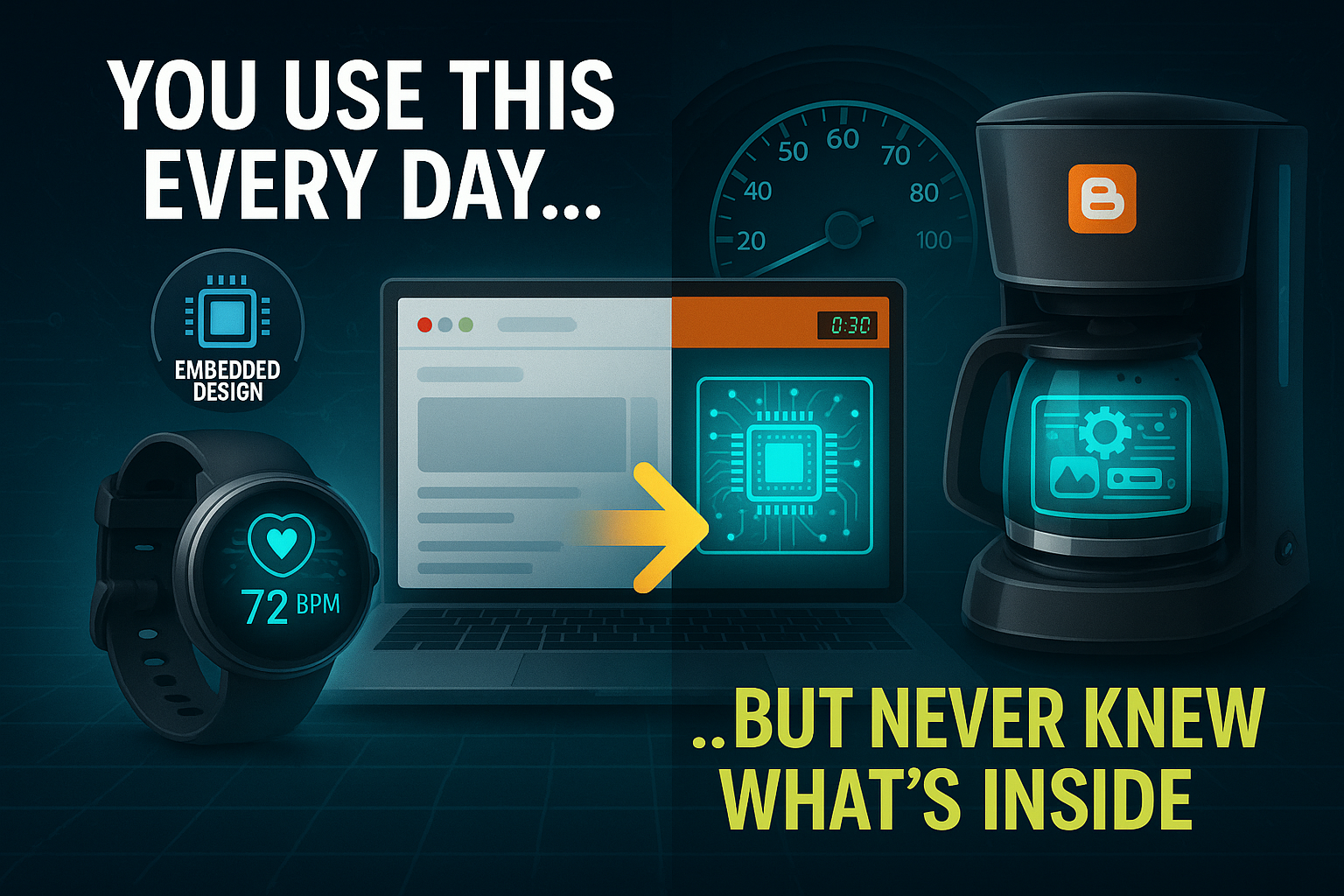

In today’s fast-paced world, technology is woven into the fabric of our daily lives in ways we often overlook. Embedded design is at the heart of this transformation. It refers to the integration of software and hardware into devices that enhance functionality and user experience. From smart home devices that learn our habits to wearable technology that tracks our health, embedded design is more significant than ever.
Yet, its true impact often goes unnoticed. Think about your morning routine: a smart thermostat adjusts the temperature before you even wake up, and a fitness tracker monitors your steps while you brew your coffee. These innovations simplify our lives, making everyday tasks seamless and efficient. As we delve deeper into the world of embedded design, you’ll discover how these invisible technologies shape our experiences and improve our quality of life. Join us on this exploration and see how much you truly rely on these clever designs without even realizing it.
Smart Home Devices
Embedded design plays a pivotal role in the functionality of smart home devices, particularly in smart thermostats and lighting systems. These devices utilize embedded systems to automate and optimize energy consumption based on user preferences and patterns. For instance, a smart thermostat like the Nest Learning Thermostat learns your daily routine, adjusting temperatures automatically to ensure comfort while saving energy. This not only enhances convenience but also contributes to a more sustainable lifestyle by reducing unnecessary energy usage.
The integration of voice assistants such as Amazon Alexa and Google Assistant takes the convenience of smart home devices to another level. With simple voice commands, users can control their lighting and heating without needing to reach for their phones or flip switches. Imagine walking into your home after a long day, and with just a phrase, the lights dim to your preferred setting and the temperature adjusts to your comfort level. This seamless control exemplifies how embedded design facilitates an interconnected environment, embodying the principles of the Internet of Things (IoT) where devices communicate and operate in harmony.
Moreover, smart lighting systems equipped with embedded technology can adjust based on natural light levels or occupancy, maximizing energy efficiency. For example, Philips Hue smart bulbs can be programmed to turn off when you leave a room or change colors to complement your mood or activity. These innovations not only contribute to lower electricity bills but also enhance the overall ambiance of living spaces. The convenience provided by these technologies illustrates how embedded design is not just about functionality; it’s about creating a more intuitive and responsive home environment that caters to our everyday needs.
In summary, the advancements in embedded design within smart home devices significantly improve our quality of life through enhanced control, efficiency, and convenience. As we continue to embrace these technologies, the lines between our digital and physical environments blur, paving the way for a more integrated future where our homes work smarter and more responsively than ever before.
Wearable Technology
Wearable technology has transformed the way we monitor our health and enhance our daily routines, seamlessly integrating into our lives without much notice. Fitness trackers and smartwatches have become commonplace, often seen adorning wrists everywhere. These devices are equipped with embedded sensors that provide real-time data on various health metrics, such as heart rate, steps taken, and even sleep patterns. For instance, a fitness tracker may help you stay motivated by reminding you to move after prolonged periods of inactivity, nudging you towards a more active lifestyle.
The embedded sensors in these wearable devices not only track physical activity but also contribute to overall health monitoring. Many smartwatches can now perform electrocardiograms (ECGs) or alert users to irregular heart rhythms, which can be crucial for early detection of potential health issues. This feature exemplifies how technology is evolving to empower individuals to take charge of their health proactively. Moreover, the data collected can be synced with health apps, allowing for a comprehensive view of one’s fitness journey and facilitating better-informed decisions regarding wellness.
Wearable tech goes beyond mere tracking; it plays a significant role in lifestyle improvements. For example, certain devices can integrate with smart appliances in the home, enabling features such as adjusting the thermostat based on your activity level or personal preferences. Imagine returning home after a workout to find your smart refrigerator suggesting a protein-packed smoothie recipe tailored to your dietary goals, all thanks to the data collected from your health monitoring devices. This convergence of wearables and smart home technology not only enhances convenience but also promotes healthier living through personalized insights and recommendations.
In essence, wearable technology has become an essential part of modern life, blending functionality with style while providing critical health insights. As these devices continue to evolve, they will play an increasingly significant role in shaping our lifestyles, making health monitoring more accessible and effective than ever before. With each advancement, we are reminded of the subtle yet profound impact that embedded design has on our everyday experiences.
Automotive Systems
Modern vehicles are marvels of embedded design, seamlessly integrating technology to enhance both safety and convenience. At the core of these advancements are sophisticated embedded systems that monitor and control various aspects of the vehicle’s performance. For instance, many cars now come equipped with advanced driver-assistance systems (ADAS) that utilize sensors and cameras to provide features like lane departure warnings and adaptive cruise control. These systems not only promote safer driving but also contribute to a more relaxed user experience, allowing drivers to focus on the road ahead.
One of the standout safety features powered by embedded design is collision detection. Utilizing radar and lidar technology, vehicles can detect potential obstacles and warn drivers of impending collisions. In more advanced models, these systems can even apply brakes automatically to prevent accidents. For example, Tesla’s Autopilot feature showcases how embedded systems work in harmony to enhance safety while driving. The integration of such technology not only protects passengers but also instills confidence in everyday drivers, highlighting the critical role embedded design plays in modern automotive safety.
In addition to safety features, infotainment systems have transformed the way we interact with our vehicles. With embedded design, these systems offer seamless connectivity to smartphones, enabling hands-free calling, navigation assistance, and access to streaming services—all through intuitive touchscreens or voice commands. For instance, Apple CarPlay and Android Auto are prime examples of how embedded technology enhances user experience by providing familiar interfaces within the vehicle. This convenience technology allows users to stay connected without compromising their attention on the road, ultimately enriching the driving experience and making commutes more enjoyable.
As we look toward the future, the evolution of embedded systems in automotive technology promises even more exciting developments. Innovations such as vehicle-to-everything (V2X) communication are set to revolutionize traffic management and further enhance safety. By recognizing the invisible yet impactful role of embedded design in automotive systems, we can appreciate how these technologies are not just conveniences but essential components that shape our daily experiences behind the wheel.
Everyday Appliances
In the realm of everyday technology, kitchen appliances are prime examples of how embedded design enhances our daily routines. Take smart refrigerators, for instance. These innovative designs do more than just keep our food cold; they come equipped with features like built-in cameras that allow you to peek inside your fridge from your smartphone while grocery shopping. This not only helps prevent unnecessary purchases but also reduces food waste by allowing you to check for expired items and plan meals more effectively. The integration of touchscreens in these appliances further elevates user experience, enabling meal planning, recipe suggestions, and even grocery list creation directly from the refrigerator.

Beyond refrigerators, other household devices are becoming increasingly automated and interconnected. Smart ovens, for example, can be preheated remotely or programmed to cook dishes at specific times, ensuring dinner is ready when you are. Many of these appliances now feature compatibility with voice assistants, allowing you to control them hands-free. This seamless interaction between devices not only adds convenience but also transforms the kitchen into a hub of efficiency where tasks that once took time and attention can now be managed with a simple command or tap on a screen.
The benefits of these advancements extend beyond mere convenience; they significantly enhance energy efficiency as well. Many modern appliances are designed to optimize energy use based on user behavior and preferences. For instance, smart dishwashers can adjust their cycles based on load size and soil level, ensuring that water and electricity are used judiciously. This not only leads to cost savings on utility bills but also aligns with growing consumer interest in sustainable living. With every innovation in embedded design, household chores become less of a burden and more of an opportunity to embrace a connected lifestyle that prioritizes efficiency and ease.
Health Care Innovations
Embedded design plays a crucial role in the evolution of medical devices, transforming the way healthcare is delivered and experienced. Take insulin pumps, for example. These compact devices are equipped with embedded systems that allow for precise delivery of insulin based on the user’s needs. This technology not only automates medication delivery but also includes features like continuous glucose monitoring, enabling patients with diabetes to maintain better control over their blood sugar levels. By integrating sensors and microcontrollers, these devices can provide real-time data, alerting users to potential issues before they become critical.
Another fascinating application of embedded design in healthcare is remote monitoring technologies, which have gained significant traction, especially during the COVID-19 pandemic. Devices such as smart blood pressure monitors and heart rate trackers allow healthcare providers to keep tabs on patients’ vital signs from afar. This remote capability is particularly beneficial for those managing chronic conditions, as it reduces the need for frequent hospital visits while ensuring timely interventions when necessary. With embedded systems processing data on-the-fly, healthcare professionals can analyze trends and make informed decisions about treatment plans without needing to be physically present.
The impact of embedded systems extends beyond individual devices; it enhances overall healthcare outcomes through improved data management and patient engagement. For instance, electronic health records (EHR) systems rely on embedded design to facilitate seamless communication between various medical devices and healthcare providers. This integration leads to more accurate diagnoses and personalized treatment options tailored to each patient’s unique history. Furthermore, as patients become more involved in their own care through wearable tech and health apps, they gain insights that empower them to make healthier choices, ultimately improving their quality of life.
In summary, embedded design is reshaping the landscape of healthcare by introducing innovative solutions that enhance patient care and streamline processes. As technology continues to advance, we can expect even more breakthroughs that will further integrate embedded systems into our daily lives, making healthcare more efficient, accessible, and effective than ever before.
Industrial Applications
Embedded design has revolutionized the industrial landscape, particularly in the realm of manufacturing automation. By integrating microcontrollers and sensors into machinery, manufacturers can achieve unprecedented levels of efficiency and precision. For example, consider a modern assembly line where robots equipped with embedded systems can perform tasks like welding, painting, or packing with pinpoint accuracy. These smart machines not only speed up production but also minimize human error, leading to higher quality products and reduced waste.
One of the most significant advancements in industrial applications is the development of smart machinery that utilizes embedded systems for real-time data processing. These machines can monitor their own performance and make adjustments on the fly, ensuring optimal operation. For instance, a CNC (Computer Numerical Control) machine can continuously analyze its cutting speed and tool wear, adjusting parameters as needed to maintain high productivity levels. This ability to process data in real time allows manufacturers to respond quickly to any issues that arise, ultimately reducing downtime and improving overall productivity.
Moreover, embedded design plays a crucial role in predictive maintenance within industrial settings. By embedding sensors that track vibrations, temperature, and other operational metrics, companies can gain insights into equipment health before failures occur. This proactive approach not only saves on repair costs but also extends the lifespan of machinery. For example, a factory might implement a system that alerts operators when a motor is showing signs of wear, allowing them to schedule maintenance during non-peak hours rather than facing unexpected shutdowns.
In essence, the integration of embedded design in industrial applications marks a pivotal shift toward smarter manufacturing processes. As industries continue to embrace this technology, we can expect significant advancements in productivity, efficiency, and sustainability. The future of manufacturing is not just about machines doing more; it’s about machines working intelligently alongside humans to create better outcomes for everyone involved.
The Future of Embedded Design
As we look ahead, the future of embedded design promises to reshape our daily lives in ways we can hardly imagine today. With advancements in artificial intelligence (AI) and machine learning, embedded systems are set to become even more intuitive and responsive. For instance, smart home devices will not only learn user preferences but also anticipate needs, adjusting temperature or lighting before you even realize it’s necessary. Imagine a home that communicates with you, suggesting recipes based on your dietary restrictions or adjusting your morning routine based on your sleep patterns—this is the kind of seamless integration that embedded design is poised to deliver.

The potential impact on lifestyle and consumer behavior is profound. As technology becomes more integrated into our everyday experiences, consumers will expect greater convenience and efficiency. For example, wearable health monitors could evolve to provide real-time health alerts directly to your smartphone or even emergency services if an anomaly is detected, fundamentally changing how we approach personal health management. This shift will encourage people to adopt healthier lifestyles and be more proactive about their well-being, as technology will seamlessly support their goals.
Moreover, the push for innovation in both personal and public sectors will drive advancements in embedded design. Smart cities are emerging as a result of this trend, where everything from traffic lights to waste management systems is interconnected through embedded technologies. These innovations will lead to improved public safety and enhanced quality of life. For instance, traffic systems that adjust in real-time based on congestion data can significantly reduce commute times and lower emissions. The implications of such technology extend beyond convenience—they have the potential to create sustainable urban environments that prioritize the well-being of their inhabitants.
As we embrace these advancements in embedded design, it is essential to remain aware of the ethical considerations and privacy concerns that accompany them. Balancing innovation with responsible data use will be crucial as we navigate this new landscape. Ultimately, the future of embedded design holds exciting possibilities for enhancing our daily lives, but it will require collaboration among technologists, policymakers, and consumers to ensure these technologies are developed thoughtfully and inclusively.
Embracing the Invisible Technology
In conclusion, embedded design is all around us, quietly shaping our daily lives in ways we often overlook. From smart home devices to wearable tech, these innovations enhance our experiences, making life more convenient and efficient. By recognizing the importance of embedded design, we can better appreciate the technology that works seamlessly in the background.
As we move forward, it’s crucial to stay curious about emerging innovations. Explore how these advancements can improve your lifestyle and well-being. Embrace the future of embedded design and the endless possibilities it offers for enhancing our everyday experiences.